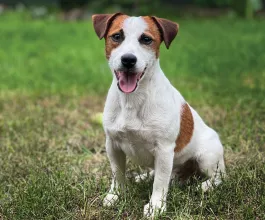

No available puppies
We currently have no available puppies. Follow our blog news section or our social media for announcements about new litters. You can also submit a request for a pre-booking and get the first pick.
ContactsPast offspring
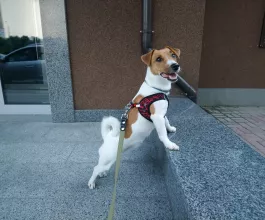
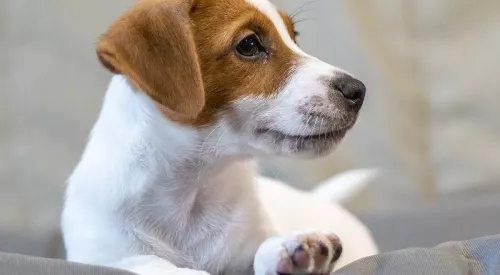
Train “come” in various environments, on a long leash for safety. Don’t release unsupervised until reliable. Redirect instinct with toys (ball, frisbee).
We always show puppies when active so you can see their energy, interest in people and environment. We show the parents to help understand temperament and quality. Documents are provided openly, and we answer all questions about health, pedigree, and previous litters.
Only after commands (“come”, “heel”) are fully learned. Until 6–8 months, use long leash. Release only in safe areas, away from roads. Laws may restrict off-leash walks.
Yes. KSU allows ownership changes via application to the club, providing certificate/pedigree and sales contract or statement, with fee payment. The pedigree is updated with new owner info.
Price depends on the breeding value of the parents (champions, working lines) and includes kennel costs: vaccinations, microchipping, high-quality food, socialization. We always explain the price of each puppy individually.
Puppies must always have fresh water. Average 30–50 ml per 1 kg of body weight per day. Offer more water during and after walks and play, especially in heat. Change water daily.
Active breed; with sufficient exercise obesity is rare. Adults should be lean and fit. Overfeeding or lack of exercise can lead to weight gain. Regularly monitor weight and adjust portions or feeding schedule.
Annual vet exam: general condition, eyes and ears, weight, body condition. Ensure vaccinations and parasite prevention are up to date. If needed — blood tests, ultrasound or X-ray. Dental checks and cleaning are included in preventive care.
Puppies are vaccinated in stages starting from 6 weeks. First vaccination — DP (distemper + parvo) at ~6 weeks. Two weeks later — DHP+L (distemper, adenovirus, parvovirus, leptospirosis). Two weeks after — final revaccination of the series (usually repeat DHP or DHP+L). At 3 months, rabies vaccination is given. Puppies are dewormed before the first vaccination. After the primary series, revaccinations are annual.
Phone, Telegram/WhatsApp, e-mail. Owners’ chat available for questions and advice.