




Gender

Boy

Date of Birth

2 April 2025

Status

Found a home

Price

700 €

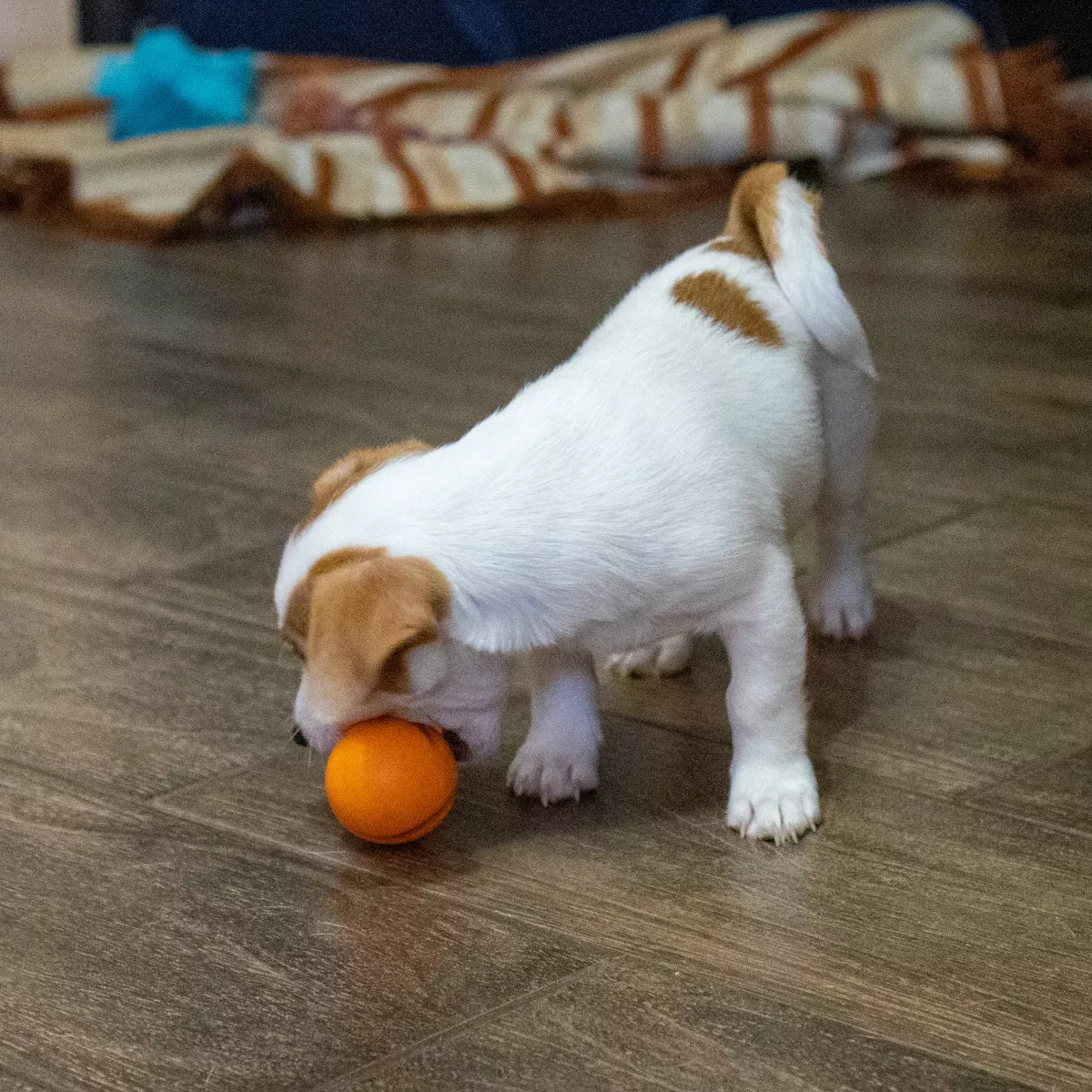
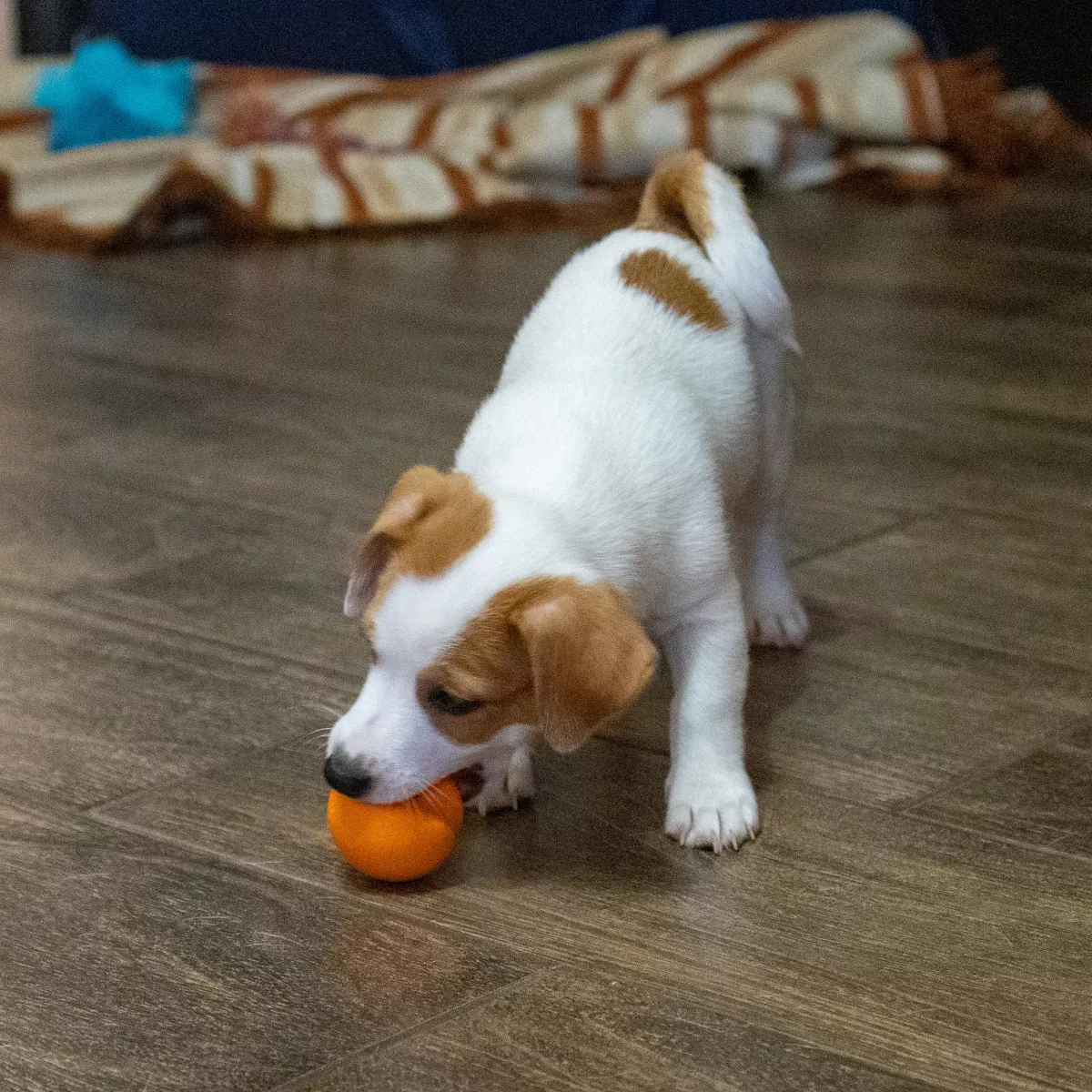
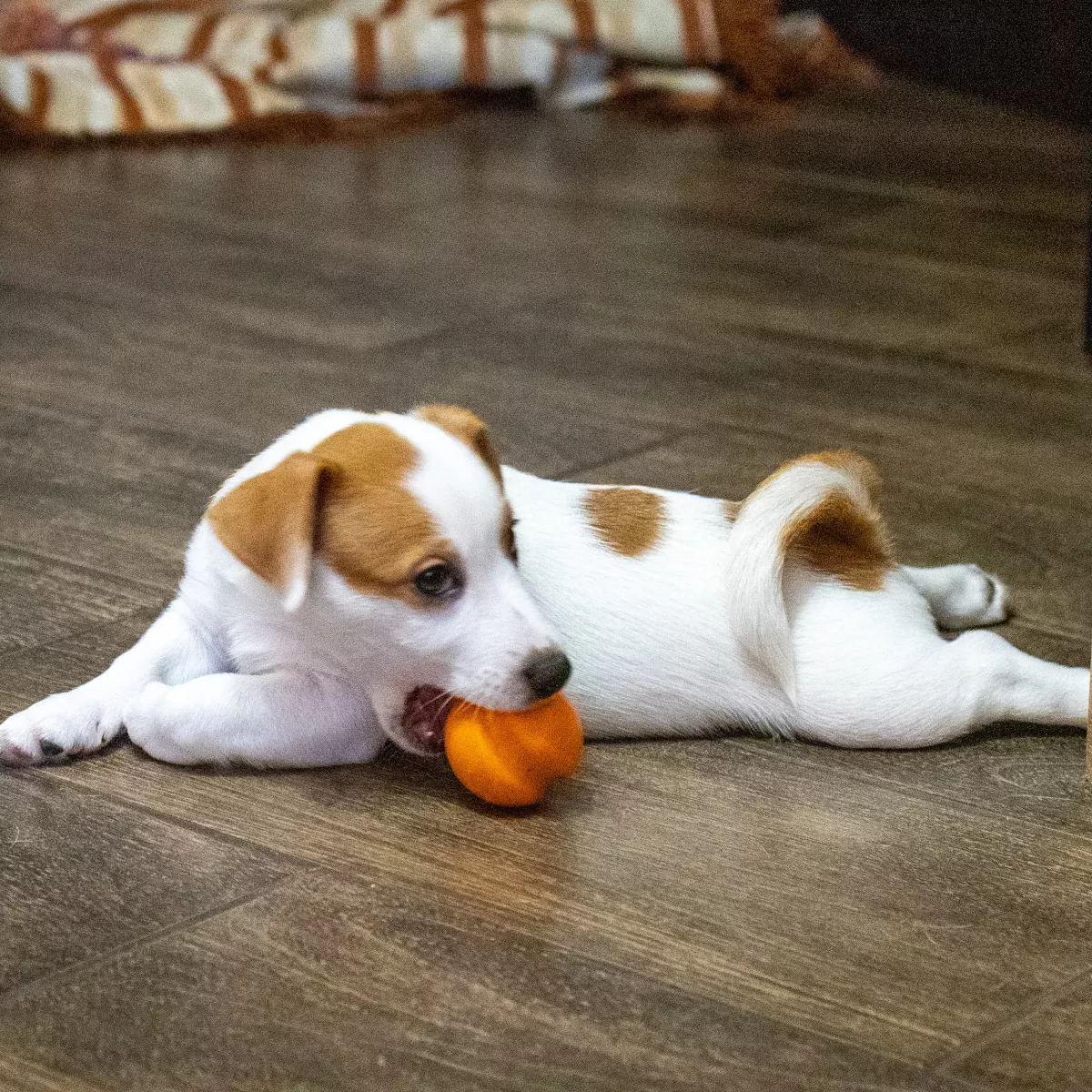
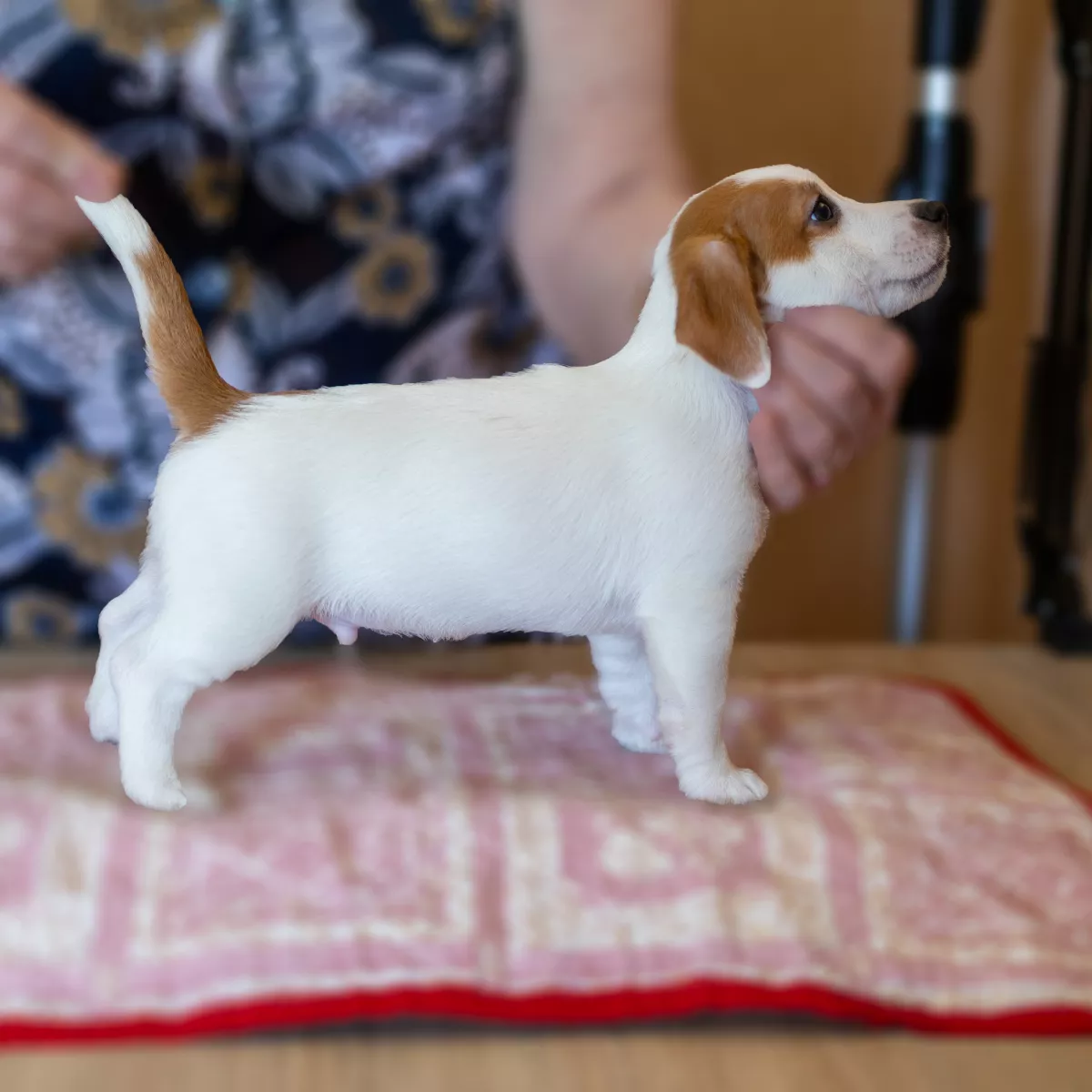
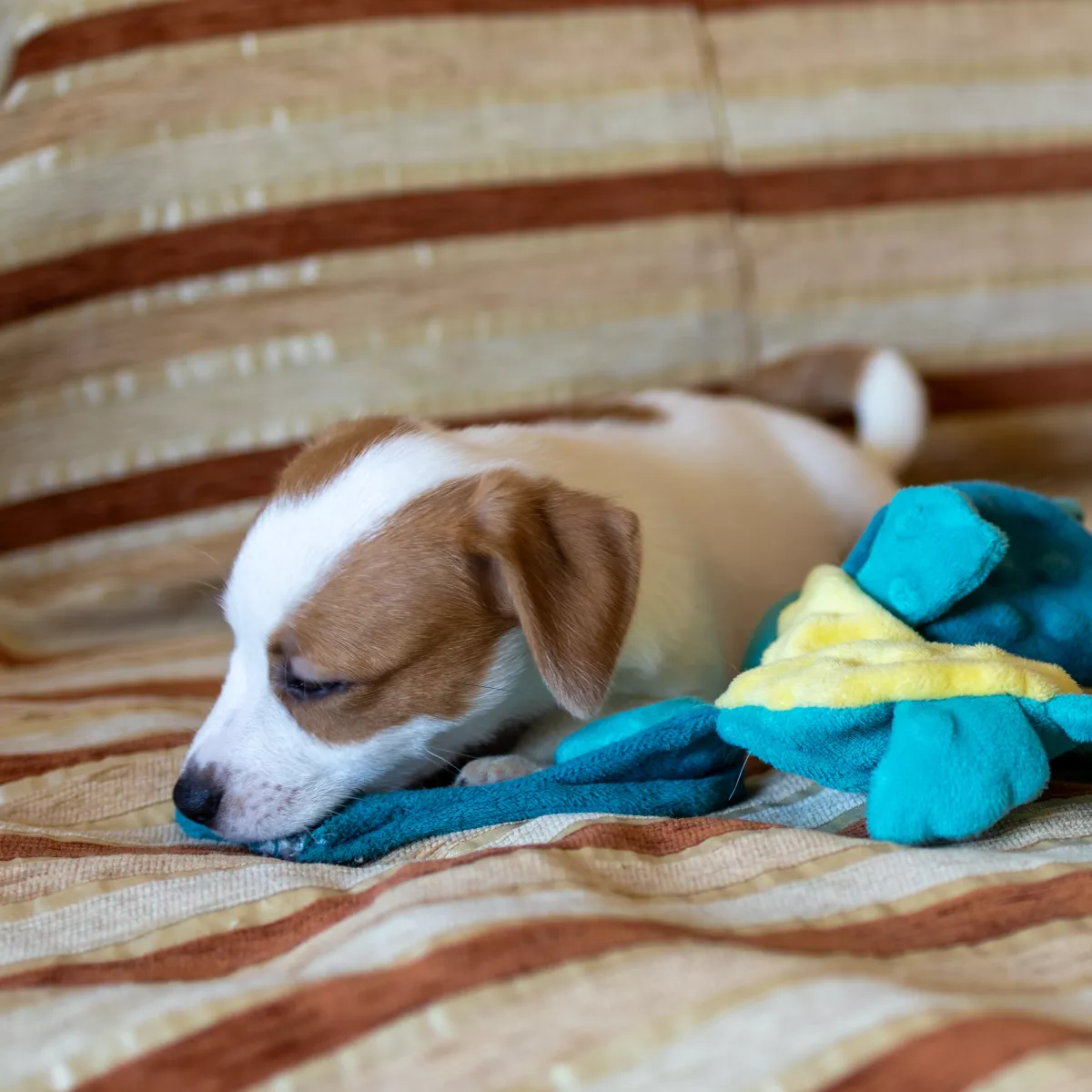
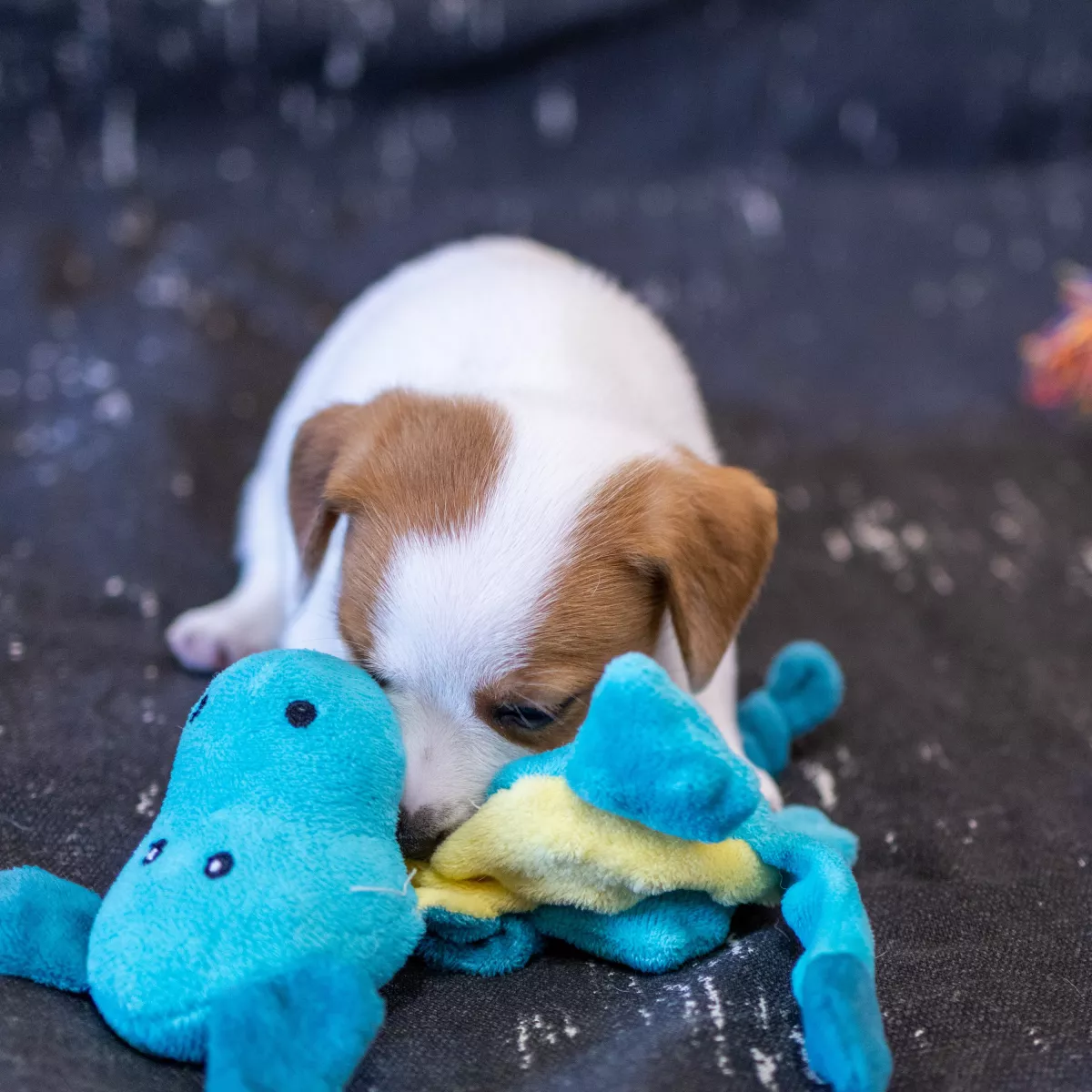
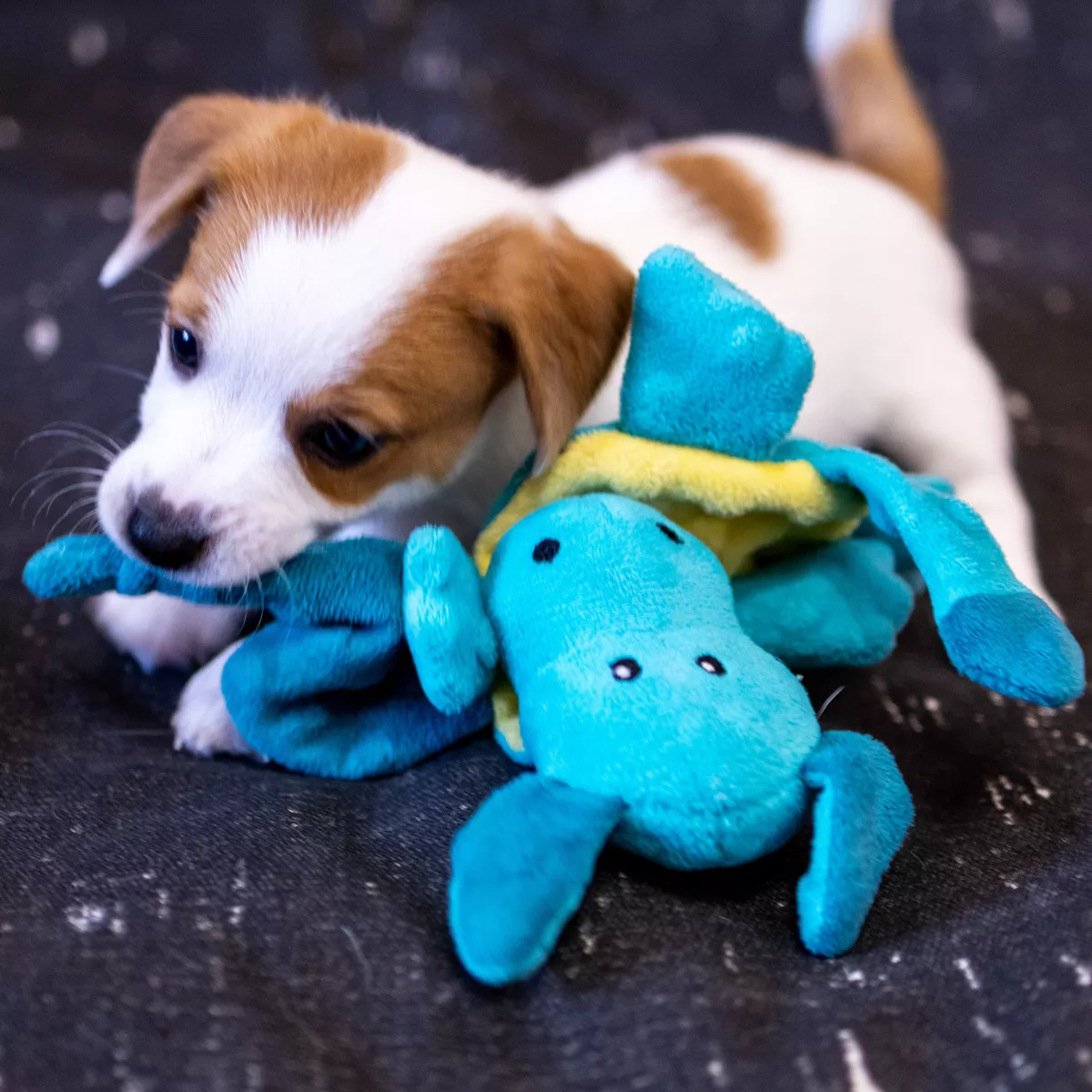
A little bundle of energy and joy. Smart, inquisitive and incredibly active, he loves to play and explore everything around him. His expressive eyes and spotted fur make him especially cute. This puppy will become a loyal friend and a real source of positivity for the whole family.


Parents

Max

Max

Color: White & Tan. DNK PLL Test: Clear

Hixie

Hixie

Color: White & Tan.

Puppy Weight

2 April : 247 g
15 April : 542 g (+295 g)
28 April : 901 g (+359 g)
13 May : 1431 g (+530 g)
26 May : 1930 g (+499 g)
8 June : 2440 g (+510 g)
21 June : 2930 g (+490 g)
4 July : 3350 g (+420 g)
18 July : 3820 g (+470 g)
31 July : 4080 g (+260 g)
12 August : 4430 g (+350 g)
16 August : 4430 g (+0 g)

FAQs

Didn’t find the answer to your question?

All questions and answers

Generally yes. Jack Russells are playful, affectionate, and usually good with children. It is important to train the puppy to interact with the child and supervise play to prevent injuries.

Upon transfer, the owner receives the KSU certificate. Full KSU/FCI pedigree is applied for later by the new owner through their club with the certificate and payment. Timing depends on the club (usually several weeks to months).

High-quality puppy food usually contains all vitamins/minerals. Supplements like calcium should only be given after vet consultation; excess is as harmful as deficiency. Vitamins are given based on tests and medical advice, not “just in case.”

Puppies must always have fresh water. Average 30–50 ml per 1 kg of body weight per day. Offer more water during and after walks and play, especially in heat. Change water daily.

Possible food or skin allergies; often reactions to chicken, grains, or additives. Signs: itching, diarrhea, dandruff. Use hypoallergenic diets or remove suspect foods.

Yes. Formats and registration rules depend on national federations. KSU documents are recognized by FCI; AKC (USA) and KC (UK) documents are separate; importing a dog from another system may require re-registration/conversion. Country microchip/mark registers are not synchronized.

Train “come” in various environments, on a long leash for safety. Don’t release unsupervised until reliable. Redirect instinct with toys (ball, frisbee).
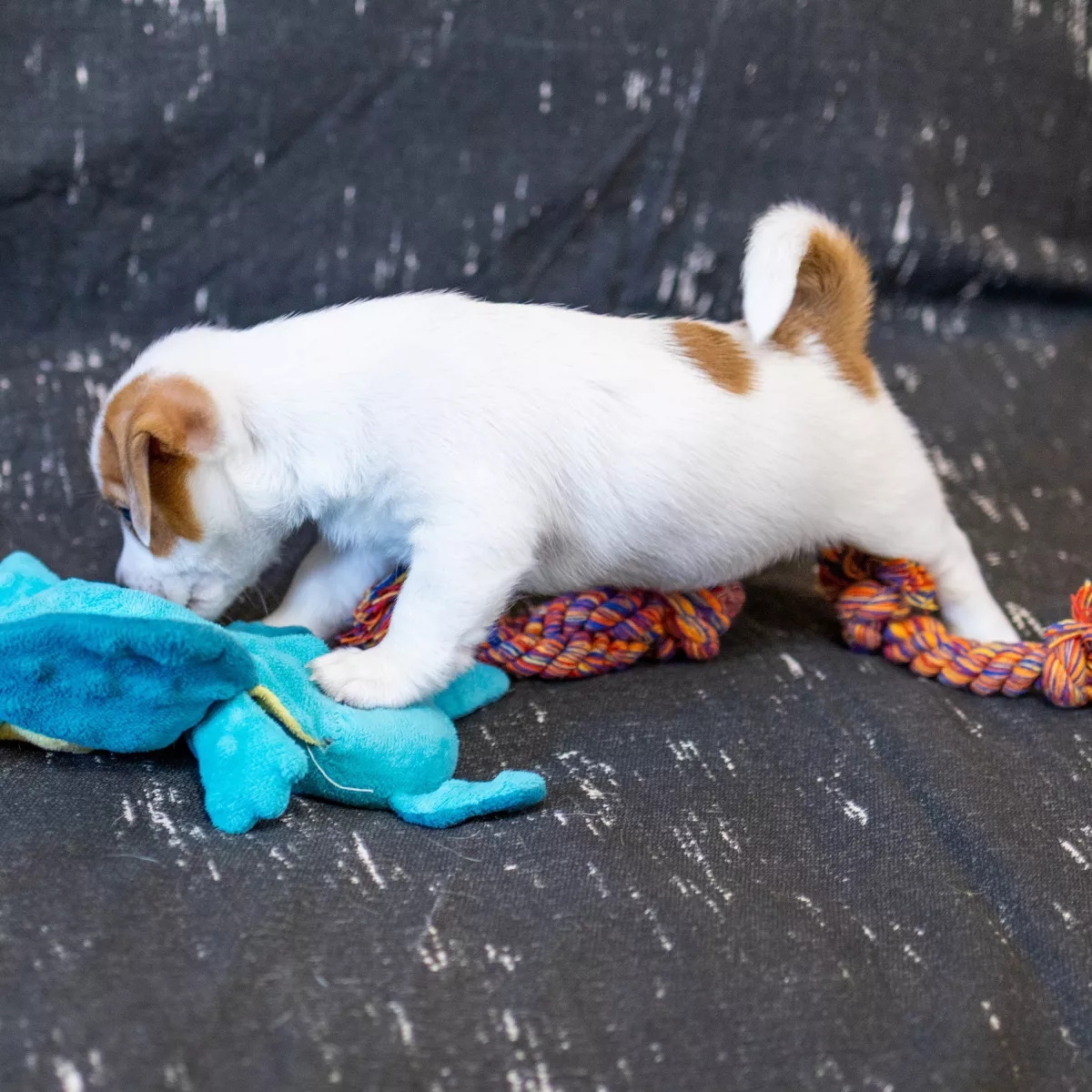

4–6 months: milk teeth replaced by adult teeth, gums itch. Provide safe chew toys or soft puppy bones. Distracts from furniture and massages gums.

No. Strictly separate “human” and “dog” food. Many human foods are harmful (salt, sugar, spices, fried, smoked, onion/garlic, grapes/raisins, chocolate). Exceptions: small amounts of neutral foods in a professional diet (boiled lean meat, vegetables). Without consultation, avoid feeding from the table.

Certificate (puppy card) — the first document issued by the club/kennel for the litter, indicating breed, name, birth date, microchip number, and parents’ info. Confirms breed quality and is given to the new owner. Pedigree (FCI/KSU) — a register with ancestry data (usually 4 generations), confirms purebred status, allows breeding and show participation. Club registration — recording in the breed club based on certificate/pedigree; provides access to club events but does not replace a pedigree.